Articles tagged AI agents on InferenceWeekly. This page gathers everything we have filed under the term — 23 articles at the last count — from paper explainers to the engineering notes that follow once the code is in front of you.
What every entry here has in common
Each piece follows the same shape. It says what the authors actually did, which baseline they compared against and whether that baseline is the right one for the claim, and whether the artifact runs when you pull it. Where a result depends on a dataset version, a hyperparameter or a particular GPU, the piece says so in the body rather than burying it in a footnote. If the reported gain only shows up under a compute budget you do not have, that is the first thing we mention.
How to read the AI agents archive
Tags are deliberately narrow, so an archive is the fastest way to see how one idea has developed across the literature we cover. Read the oldest entry first if you want the original framing, or the newest if you want our current position on it. Every tag carries its own feed, so you can follow AI agents without subscribing to the whole site.
How we judge a paper before covering it
Reproducibility comes first. Is there a repository, are the seeds and splits specified, does the headline number survive a smaller machine? We check the arithmetic on the tables, look at what the ablation actually ablates, and flag a weak baseline in the piece instead of quietly dropping the result. Entries that cannot answer those questions are labelled as a preprint claim rather than a finding, and we link the artifact so you can settle it yourself.
If you want the method behind a result rather than the headline, start with the research digest guide; if you want the shorter briefing that lands every few hours, the news guide explains what goes there and how it is sourced. Corrections and paper tips are always welcome on the contact page.
-
The week in agentic capability Two results landed in the same news cycle in May 2026, and together they mark a shift that is easy to miss if you read them as separate model upgrades. The first is a week-long agent run that formalized a deep theorem in algebraic geometry into roughly 600,000 lines o
-
Most LLM applications are, at heart, elaborate autocomplete. You send a prompt, the model returns text, and the program stops.
-
The coding-agent conversation has spent the past two years asking which model writes better code. That question is starting to feel like asking which hammer is better at building a house.
-
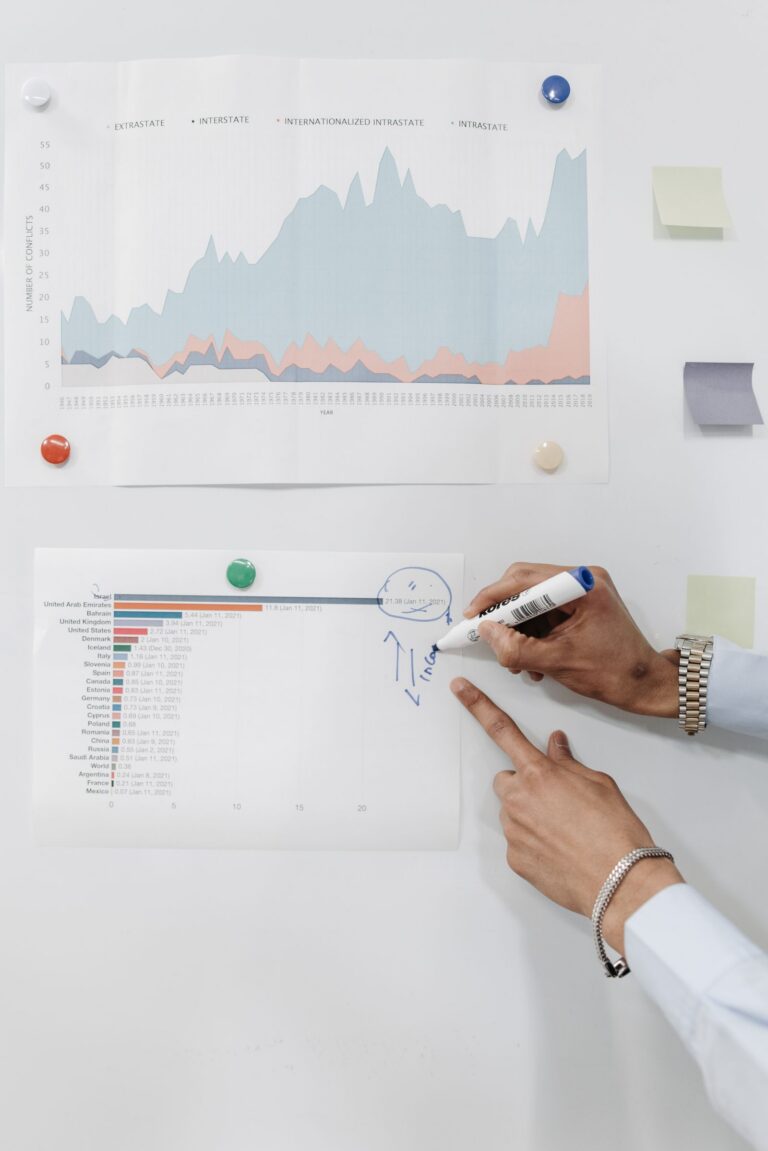
The interactive visualization gap The motivation behind the work is easy to recognize from practice. Users exploring data want to zoom into details, compare across charts, and link a chart selection to related document text, and vice versa.
-
Google Research has released an open-source framework that lets AI agents improve themselves without touching a single model weight. Harness², published under the Apache 2.
-
Ask ten engineers what they want from an AI platform and you will get ten different answers, but almost all of them will mention two things: access to the best models, and predictable costs. Abacus AI tries to deliver the first with a workspace that puts OpenAI, Anthropic and Google models behind a
-
There is a particular kind of silence that follows a confident wrong answer. The model does not hesitate, does not hedge, does not flag its own uncertainty.
-
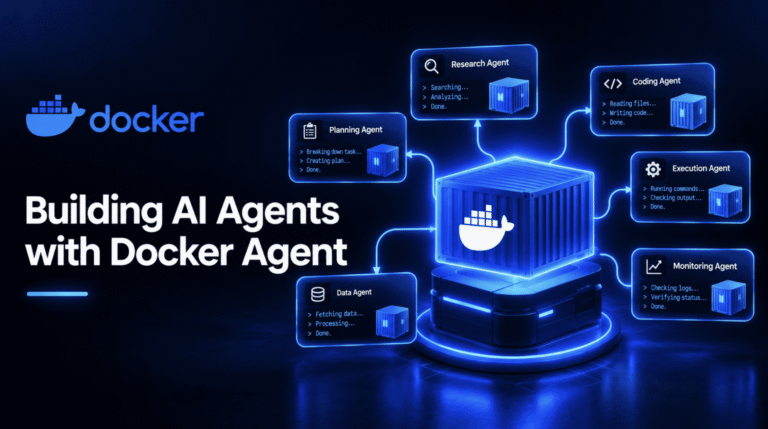
Agents as configuration files The core design decision behind Docker Agent is that an agent is a configuration file, not a program. You describe what the agent should do, which model it should use, and what tools it can reach, all in YAML (or HCL for teams that prefer it).
-
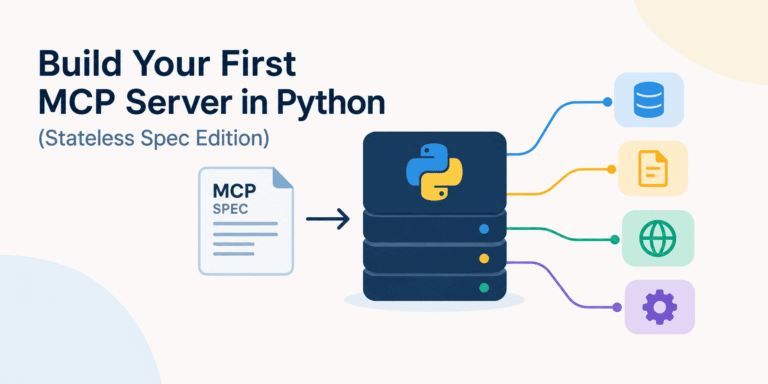
What actually changed in the protocol Three things, and they compound. First, there is no session handshake before requests.
-
The Problem With Traditional Agentic RL Early agent RL systems, including verl, AReaL, and slime, were built on a shared assumption. The training framework owns the interaction loop with the environment.