Articles tagged embodied AI on InferenceWeekly. This page gathers everything we have filed under the term — 3 articles at the last count — from paper explainers to the engineering notes that follow once the code is in front of you.
What every entry here has in common
Each piece follows the same shape. It says what the authors actually did, which baseline they compared against and whether that baseline is the right one for the claim, and whether the artifact runs when you pull it. Where a result depends on a dataset version, a hyperparameter or a particular GPU, the piece says so in the body rather than burying it in a footnote. If the reported gain only shows up under a compute budget you do not have, that is the first thing we mention.
How to read the embodied AI archive
Tags are deliberately narrow, so an archive is the fastest way to see how one idea has developed across the literature we cover. Read the oldest entry first if you want the original framing, or the newest if you want our current position on it. Every tag carries its own feed, so you can follow embodied AI without subscribing to the whole site.
How we judge a paper before covering it
Reproducibility comes first. Is there a repository, are the seeds and splits specified, does the headline number survive a smaller machine? We check the arithmetic on the tables, look at what the ablation actually ablates, and flag a weak baseline in the piece instead of quietly dropping the result. Entries that cannot answer those questions are labelled as a preprint claim rather than a finding, and we link the artifact so you can settle it yourself.
If you want the method behind a result rather than the headline, start with the research digest guide; if you want the shorter briefing that lands every few hours, the news guide explains what goes there and how it is sourced. Corrections and paper tips are always welcome on the contact page.
-
Why athletic style and reliable ball play pull in opposite directions Ball sports are an unusually harsh test for humanoids. The task is reactive: the ball arrives when it arrives, and the robot has milliseconds to read it, move and strike.
-
World models have quietly become one of the most consequential ideas in machine learning. A system that learns how an environment behaves, rather than just mapping input to output, can predict what happens next, simulate possible outcomes and plan actions before committing to any of them.
-
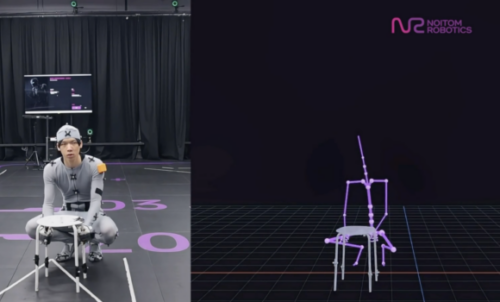
Humanoid robots have a data problem, and it is not the kind that more compute will fix. The behaviors that make a machine useful in a warehouse, a kitchen, or a hospital are messy, varied, and physical, and the two dominant sources of training data each fail in a different direction.